UN Declares Nuclear Energy As Lowest Carbon Electricity Source
THE ANTHROPOGENIC EFFECTS OF CLIMATE CHANGE AND THE ROLE OF NUCLEAR ENERGY
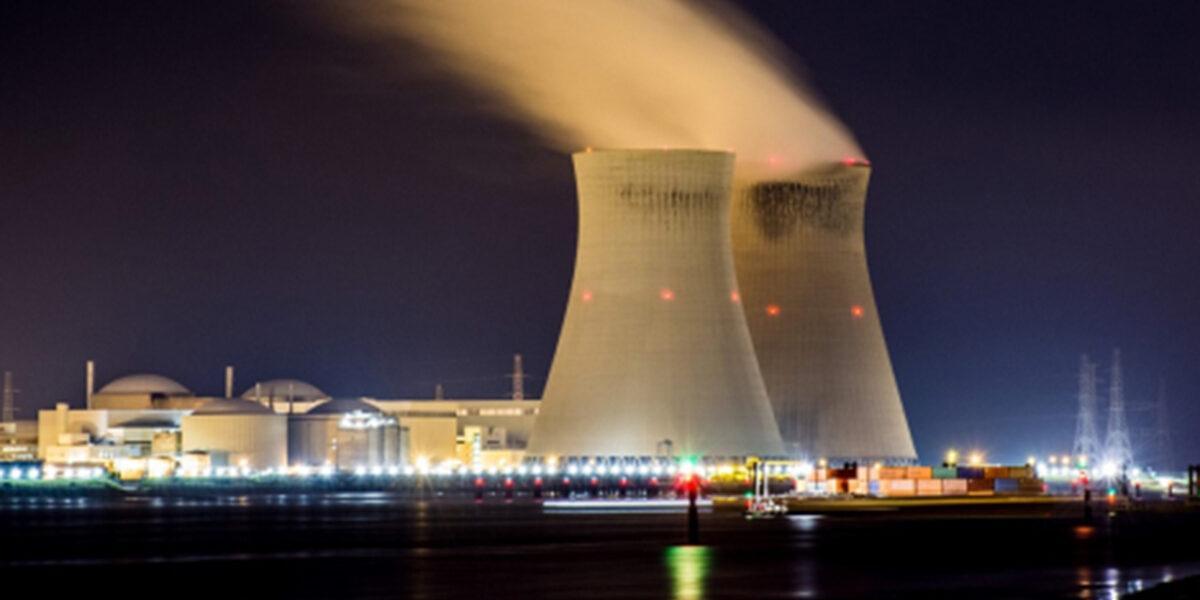
The anthropogenic effects of climate change are a global-scale problem and are credited to the burning of fossil fuels. To mitigate it, the issue needs to be addressed simultaneously for maximum effectiveness. It can be achieved by tapping into currently available low-carbon electricity sources like nuclear power and renewables alongside energy efficiency improvements.
A new UN report by the United Nations Economic Commission for Europe (UNECE) found that carbon emissions from nuclear energy are lower in comparison to all other electricity sources (wind, solar, gas and coal). Many countries, including France and the UK, have shown renewed interest in nuclear energy to invest in large-scale projects to help achieve their net-zero goals.
Upon examining the lifecycle of different technologies and electricity sources, the study found that nuclear energy has the lowest carbon footprint (measured in grams of CO₂ per kilowatt-hour (kWh)), producing 5.1–6.4g of CO₂ equivalent per kWh of generation. For comparison, wind power produces 7.8–12g, while coal generates 753–1095g of CO₂ equivalent per kWh.
The report also states that nuclear power has the lowest lifecycle land use and mineral use, along with the lowest metal requirements, out of all clean technologies. The report also stresses that all electricity sources generate carbon emissions during various stages (construction, operation and decommissioning), but nuclear and renewable energy are both zero-carbon at the point of generation.
The report included findings from a separate study that looked into the lifecycle emissions of the newest nuclear power projects in the UK – Hinkley Point C and Sizewell C. Both plants have a lifecycle impact of 5.5g CO₂ per kWh, reflecting similar results from the first report.
These findings proved fundamental in helping the UK make its case for funding new nuclear power projects as part of the Prime Minister’s national decarbonisation plan. These projects will also help pave the way towards achieving net-zero carbon emissions by 2050.
UN GIVES THE GREEN LIGHT TO UK’S NUCLEAR AMBITIONS
As mentioned above, the UNECE supports the findings regarding the lifecycle emissions of Britain’s newest nuclear power projects, Hinkley Point C and Sizewell C. These two projects have the lowest carbon intensity and highest clean energy output of any plant constructed in British history.
This has renewed interest in nuclear energy, as more countries seek to reach carbon neutrality by the middle of the century. Ten EU countries submitted an open letter to the European Commission in October 2021, urging it to label nuclear power as a green energy source and include it in the EU’s sustainable finance rules. France has also announced plans to invest in new innovative small-scale nuclear reactors.
The sustainability of nuclear power makes it an instrumental tool for the UK to achieve net-zero carbon emissions by 2050. In that light, the country’s funding model for nuclear plants was relaunched recently by Kwasi Kwarteng, Secretary of State for Business, Energy and Industrial Strategy. The model leverages taxpayer money to support the construction phase of nuclear power projects. It is intended to encourage domestic private investment and reduce the country’s reliance on overseas funding, particularly from China, for critical energy infrastructure.
EGB believes that the new UN report is a thorough scientific assessment that confirms nuclear power as a green, clean and sustainable technology. It emits less carbon and uses less land and material compared to other energy sources. Building new nuclear plants alongside other low-carbon energy sources is essential if the UK is to meet its net-zero targets.
Nonetheless, critics remain sceptical about the environmental impacts of nuclear power, particularly concerning the disposal of radioactive waste. However, without nuclear power, it would have been far more difficult to mitigate the anthropogenic effects of climate change. Historical energy production data suggests that, in the absence of nuclear energy, the supply gap would have been filled primarily by fossil fuels, particularly coal, resulting in significantly higher greenhouse gas emissions per unit of energy produced.
Likewise, according to the International Atomic Energy Agency (IAEA), nuclear technology plays an important role in addressing climate change. Almost 10% of the world’s electricity supply comes from nuclear power, which helps support energy security and manage fluctuations in weather-dependent renewable generation.
As a reliable, flexible and resilient source of power, nuclear energy is well-suited to supporting modern economic growth and stabilising electricity grids. It also contributes to scientific efforts to measure and understand the impacts of climate change on the atmosphere and global systems.
We conclude that nuclear energy needs to be expanded significantly in order to avoid or minimise the devastating impacts of unabated climate change caused by fossil fuel combustion. Furthermore, the government needs to take additional and faster steps to secure a cost-effective supply of power and develop innovative technologies that will enable the UK to become a global leader in nuclear energy.
ABOUT EGB ENGINEERING
EGB Engineering is an international engineering consultancy firm with expertise in the field of power and propulsion. We provide sustainable and renewable engineering products and services to clients and operate in the aerospace, energy, and nuclear industries.
Releated Articles